

-9 %
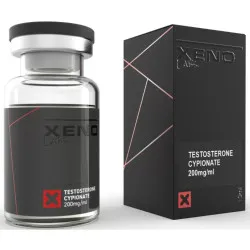
Brand: Xeno Labs
Model: Xeno Labs
Testosterone Cypionate – injectable anabolic steroid with prolonged action (about 2 weeks), the use of which is accompanied by a significant increase in muscle mass, endurance, performance and power. As the basis of the Testosterone Cypionate drug, is used the most “long” testosterone ester – Testos..
$62.00 $68.00
Ex Tax:$62.00
-8 %
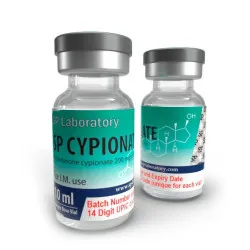
Brand: SP laboratories
Model: SP laboratories
TEST CYPIONATE 200
SP Cypionate is used in the treatment of hormone dystrophy in men caused by testosterone deficiency
Description
1 vial contains 10 ml solution for injections;
Active Substances
Each ml SP Cypionat contains 200 mg of..
$46.00 $50.00
Ex Tax:$46.00

Brand: Hemi Pharma
Model: Hemi Pharma
Product Description: Another classic straight forward long ester Testosterone. Excellent choice for the base of most cycles – often favoured over enanthate due to slightly less water retention. Long ester so less frequent injections (as little as one per week possible).Chemical NameTestosterone..
$45.00
Ex Tax:$45.00
-15 %
Brand: Euro-Pharmacies
Model: Euro-Pharmacies
Testosterone Cypionate – injectable anabolic steroid with prolonged action (about 2 weeks), the use of which is accompanied by a significant increase in muscle mass, endurance, performance and power. As the basis of the Testosterone Cypionate drug, is used the most “long” testosterone ester – Testos..
$46.00 $54.00
Ex Tax:$46.00
-5 %
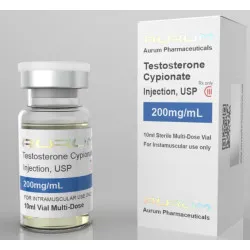
Brand: Euro-Pharmacies USA
Model: Euro-Pharmacies USA
Testosterone Cypionate – injectable anabolic steroid with prolonged action (about 2 weeks), the use of which is accompanied by a significant increase in muscle mass, endurance, performance and power. As the basis of the Testosterone Cypionate drug, is used the most “long” testosterone ester – Testos..
$74.00 $78.00
Ex Tax:$74.00
Brand: Somatrop Lab
Model: Somatrop Lab
Testosterone Cypionate from Somatrop-Lab is a high-quality anabolic steroid known for its robust ability to enhance physical and mental performance. Key benefits include:Increase in Muscle Mass: Significantly boosts muscle growth, ideal for bodybuilding and strength training. Increase in Strength: E..
$50.00
Ex Tax:$50.00
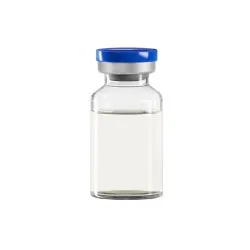
Brand: Androlex
Model: Androlex
Athletes turn to testosterone for its prowess in muscle and strength augmentation. Its dual action – anabolic and androgenic – sets it apart. Testosterone meshes with cellular androgen receptors, steering AR proteins into the nucleus, where DNA binding facilitates gene expression modulation. Water-w..
$50.00
Ex Tax:$50.00
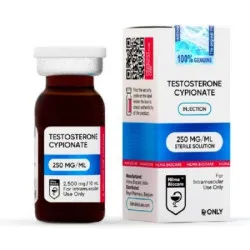
Brand: Hilma Biocare
Model: Hilma Biocare
Testosterone is the most potent, naturally occurring androgen that is formed in the human body.Synthetic testosterone itself would be developed in the 1930’s. In 1937 the first ester controlled testosterone would hit the market thanks to Schering and their new Testosterone Propionate product. This w..
$36.00
Ex Tax:$36.00
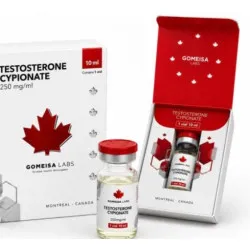
Brand: GOMEISA LABS
Model: Gomeisa Labs
Testosterone cypionate is gradually released after administration and converted into active testosterone. Testosterone binds to androgen receptors throughout the body, influencing processes involved in protein synthesis, nitrogen retention, muscle development, red-blood-cell production, and tissue m..
$62.00
Ex Tax:$62.00