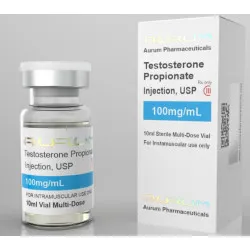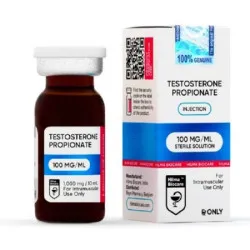
Brand: Hilma Biocare
Model: Hilma Biocare
Testosterone Propionate is a single ester testosterone compound and represents one of the most important testosterone compounds every manufactured. When synthetic testosterone was first created it was in its pure form. Simply put there was no ester attached, thereby providing a fast acting compound ..
$22.00
Ex Tax:$22.00

Brand: Hemi Pharma
Model: Hemi Pharma
Product Description: The most classic and straight forward SHORT ester Testosterone. Fast acting, should be the base of most cycles. Less bloat than Testosterone Enanthate although frequent injections needed (ideally every other day).Chemical NameTestosterone PropionateActive Life3 to 4 Days.Detecti..
$40.00
Ex Tax:$40.00
Brand: Somatrop Lab
Model: Somatrop Lab
Testosterone Propionate from Somatrop-Lab is a fast-acting anabolic steroid designed to offer a range of physical and mental health benefits. It is highly effective for:Muscle Mass Increase: Significantly boosts muscle volume, essential for athletes and bodybuilders aiming for size and strength. Str..
$35.00
Ex Tax:$35.00
-21 %
Brand: Stealth Labs
Model: Stealth Labs
Testosterone propionate is a slower-releasing anabolic steroid with a short half-life. It is a synthetic androstane steroid derivative of testosterone in the form of 17β propionate ester of testosterone.2 Testosterone propionate was developed initially by Watson labs, and FDA approved on February 5,..
$22.00 $28.00
Ex Tax:$22.00
-22 %
Brand: Euro-Pharmacies
Model: Euro-Pharmacies
Testosterone Propionate – this is one of the most short testosterone esters, but that does not make it less popular among bodybuilders. It is designed to develop muscle mass and strength, but because of its features it is more commonly used in the drying period. Testosterone Propionate 100 – is a Te..
$25.00 $32.00
Ex Tax:$25.00
Brand: Androlex
Model: Androlex
Testosterone is pivotal for treating gender-related hormonal imbalances, testosterone scarcity in males, and specific breast cancers. As men age and observe a dip in testosterone, supplementation or therapy might be imperative. This can uplift mood, amplify sexual vigor, and recalibrate body constit..
$35.00
Ex Tax:$35.00

-38 %
Brand: Euro-Pharmacies USA
Model: Euro-Pharmacies USA
Testosterone Propionate – this is one of the most short testosterone esters, but that does not make it less popular among bodybuilders. It is designed to develop muscle mass and strength, but because of its features it is more commonly used in the drying period. Testosterone Propionate 100 – is a Te..
$34.00 $55.00
Ex Tax:$34.00
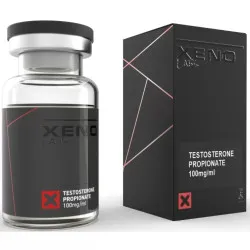
Brand: Xeno Labs
Model: Xeno Labs
Substance:Testosterone PropionatePack & Dosage10ml vial - 100mg/ml..
$36.00
Ex Tax:$36.00
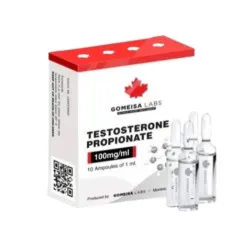
Brand: GOMEISA LABS
Model: Gomeisa Labs
Testosterone propionate is gradually released after administration and converted into active testosterone. Testosterone binds to androgen receptors throughout the body, supporting protein synthesis, nitrogen retention, muscle development, and red blood cell production.Testosterone can also convert i..
$44.00
Ex Tax:$44.00