
BUY 3 GET 1 FREE
Brand: NITRO
Model: NITRO
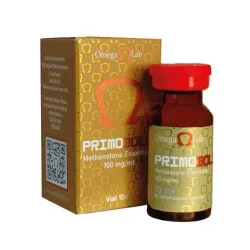
Methenolone promotes the conversion of protein into lean muscle
tissue due to its anabolic activity. Methenolone enanthate has virtually no
androgenic effect. Methenolone enanthate is a powerful anabolic steroid with
extremely low androgenic properties.The anabolic properties of this
steroid are..
$95.00
Ex Tax:$95.00
BUY 3 GET 1 FREE
-13 %
Brand: NITRO
Model: NITRO
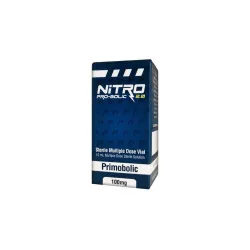
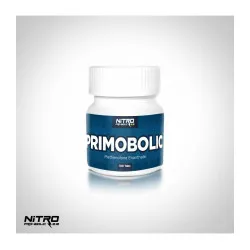
Primo 50 can be combined in
cutting and muscle-building cycles withTrenbolone, Boldenone-200, and Winstrol, which are particularly well-suited. The effect can be optimized by the additional intake of Oxandroplex-10.Steroid novices and less experienced users can achieve good strength
and..
$78.00 $90.00
Ex Tax:$78.00
Brand: Bull Pharma
Model: Bull Pharma
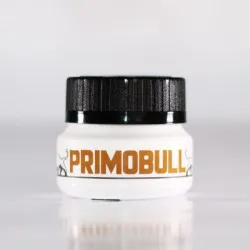
Primobull is an oral steroid containing 25 mg of the hormone Methenolone
Acetate per tablet.
This is an oral version of the injectable
Primobolan depot, but instead of the Enathate ester, has been attached to a
much faster acting Acetate ester. Because of this, these tablets need to be
taken ..
$96.00
Ex Tax:$96.00
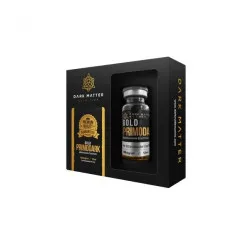
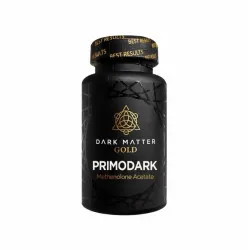
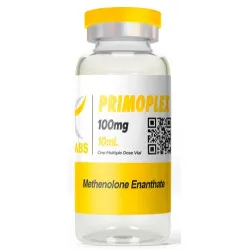
Brand: XT LABS USA
Model: XT LABS USA
Primoloban, also known as Methenolone (a Dihydridotestosterone derivative), is one of the most popular anabolic and androgenic steroids on the market used for fat loss and muscle maintenance. One of the main reasons that this supplement has become so desired by bodybuilders and other athletes, is po..
$94.00
Ex Tax:$94.00
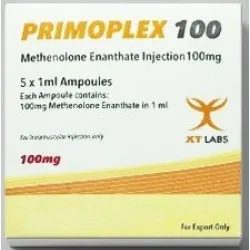
Brand: XT LABS USA
Model: XT LABS USA
Primoloban, also known as Methenolone (a Dihydridotestosterone derivative), is one of the most popular anabolic and androgenic steroids on the market used for fat loss and muscle maintenance. One of the main reasons that this supplement has become so desired by bodybuilders and other athletes, is po..
$48.00
Ex Tax:$48.00
Brand: SIXPEX USA
Model: SIXPEX
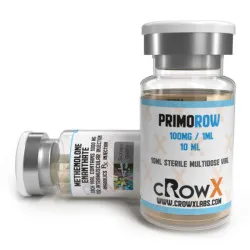
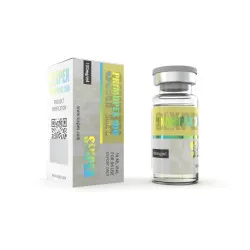
Primopex 100 is an injectable steroid which contains the hormone Methenolone Enanthate in a preparation of 100mg per ML. The ester of this compound makes it slow acting, and thus means that injections can be less frequent. Bodybuilders using this steroid often follow a dosage schedule of two-th..
$125.00
Ex Tax:$125.00