
-11 %
Brand: Partax Labs
Model: Partax Labs
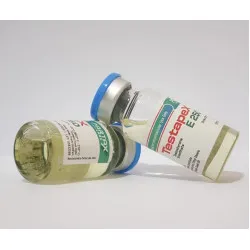
Tetsapex E 250 injection, for intramuscular injection, contains testosterone enanthate which is insoluble in water, very soluble in ether and soluble in vegetable oils.
Androgens are derivatives of cyclopentano-perhydrophenanthrene. Endogenous androgens are C-19 steroids with a side chain at C-17..
$40.00 $45.00
Ex Tax:$40.00
Brand: Balkan Pharmaceuticals
Model: Balkan Pharmaceuticals
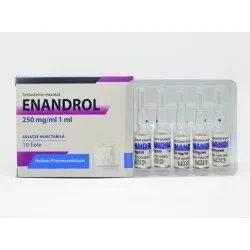
Testosterona E
General information:Testosterone enanthate is also known as testosterone heptanoate. It is an anabolic and androgenic steroid (AAS) drug used to treat low testosterone levels. Anabolic drugs work by building muscles, while androgenic means it enhances sex characteristics usually a..
$60.00
Ex Tax:$60.00

Brand: Norma Hellas
Model: Norma Hellas
Production: Laboratory Norma GreeceMolecular weight: 288.42 g/mol,
structure C19H28O2.Testosterone Enanthate is a
long-lasting form of the hormone testosterone. For its release into the blood
to take place within a few days, the manufacturers combined the parent hormone
testosterone and enanthat..
$31.00
Ex Tax:$31.00
Brand: Cygnus
Model: Cygnus
Testosterone enanthate 300mgComes in 10 ml multidose vials. Each vial contains 300 mg per ml.
Each product of Cygnus has authentication code.
You can authenticate your product at cygnus check code
A tool called test e 300mg can be purchased at a bargain price. This drug has an anabolic effe..
$50.00
Ex Tax:$50.00

-8 %
New
Brand: Beligas Pharmaceuticals
Model: Beligas Pharmaceuticals
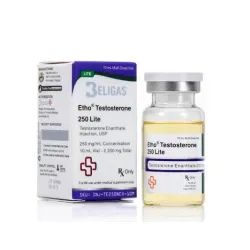
Etho-Testosterone – is an ester of Testosterone. This is one of the most popular bodybuilding steroid intended for gaining muscle mass. It relates to a long acting steroid. The duration of action of Testosterone Enanthate depends on the characteristics of the athletes organism (metabolic, hormonal) ..
$40.00
Ex Tax:$40.00
Brand: Beligas Pharmaceuticals USA
Model: Beligas Pharmaceuticals USA
Etho-Testosterone – is an ester of Testosterone. This is one of the most popular bodybuilding steroid intended for gaining muscle mass. It relates to a long acting steroid. The duration of action of Testosterone Enanthate depends on the characteristics of the athletes organism (metabolic, hormonal) ..
$78.00
Ex Tax:$78.00
-8 %
Brand: Beligas Pharmaceuticals
Model: Beligas Pharmaceuticals
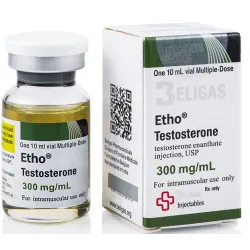
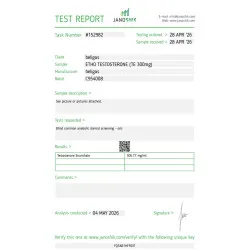
Etho-Testosterone – is an ester of Testosterone. This is one of the most popular bodybuilding steroid intended for gaining muscle mass. It relates to a long acting steroid. The duration of action of Testosterone Enanthate depends on the characteristics of the athletes organism (metabolic, hormonal) ..
$44.00 $48.00
Ex Tax:$44.00
Brand: Beligas Pharmaceuticals USA
Model: Beligas Pharmaceuticals USA
Etho-Testosterone – is an ester of Testosterone. This is one of the most popular bodybuilding steroid intended for gaining muscle mass. It relates to a long acting steroid. The duration of action of Testosterone Enanthate depends on the characteristics of the athletes organism (metabolic, hormonal) ..
$80.00
Ex Tax:$80.00
-7 %
Brand: Beligas Pharmaceuticals
Model: Beligas Pharmaceuticals
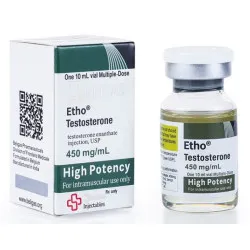
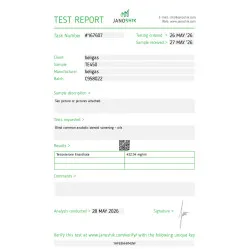
Etho-Testosterone – is an ester of Testosterone. This is one of the most popular bodybuilding steroid intended for gaining muscle mass. It relates to a long acting steroid. The duration of action of Testosterone Enanthate depends on the characteristics of the athletes organism (metabolic, hormonal) ..
$52.00 $56.00
Ex Tax:$52.00
-6 %
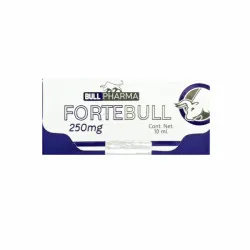
Brand: Bull Pharma
Model: Bull Pharma
Fortebull is an injectable steroid which contains 250 mg per ML of the
hormone Testosterone Enanthate. The Fortebull ester of this drug makes its release into slow and
therefore is requires injections to be less frequent than they would be if a
bodybuilder using Propionate. Athletes using th..
$62.00 $66.00
Ex Tax:$62.00
-15 %
Brand: SIXPEX USA
Model: SIXPEX
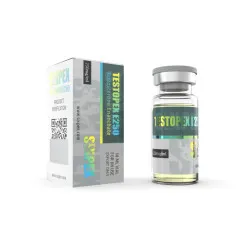
Pharmaceutical Name: Testosterone (as Enanthate)Chemical structure: 4-androstene-3-one,17beta-olCharacteristics:Testosterone Enanthate is the prime male androgen in the body, and as such still the best possible mass builder in the world. It has a high risk of side-effects because it readily converts..
$58.00 $68.00
Ex Tax:$58.00
Brand: Unique Pharma
Model: Unique Pharma
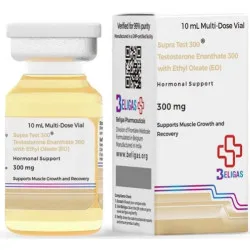
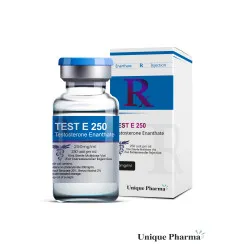
Testosterone Enanthate was
developed in the 1950s and received FDA approval for the treatment of
testosterone deficiency. It has a half-life of 7 to 10 days, providing a
gradual release. It is used in bodybuilding for muscle growth and strength
increase. PCT is necessary, as it suppresses natura..
$40.00
Ex Tax:$40.00
-20 %
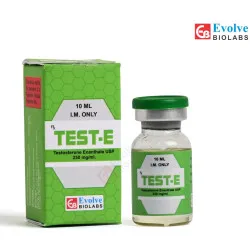
Brand: Evolve Biolabs
Model: Evolve Biolabs
TEST E - TESTOSTERONE ENANTHATE 250MG TEST E is a reliable hormone supplement containing
250mg of Testosterone Enanthate. It is formulated for long-term release,
providing steady levels of testosterone in the body over a long period. Test E
is popular with individuals who want long-lasting and sm..
$32.00 $40.00
Ex Tax:$32.00
-17 %
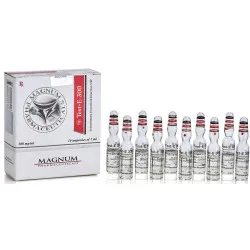
Brand: Magnum Pharmaceuticals
Model: Magnum Pharmaceuticals
Test-E 300 is an oil based solution of Testosterone Enanthate for IM
injection designed to release testosterone slowly from the injection site.
Testosterone serum concentrations remain elevated for 5 – 8 days after IM
administration. Test-E 300 has both anabolic and androgenic effects...
$38.00 $46.00
Ex Tax:$38.00
BUY 3 GET 1 FREE
-9 %
Brand: NITRO
Model: NITRO
Its effects include control over the development and functioning
of male secondary sexual organs and characteristics, anabolic effects that
promote fluid retention, as well as protein synthesis allowing for increased
muscle mass and bone development (useful for those who have suffered a
fracture..
$60.00 $66.00
Ex Tax:$60.00
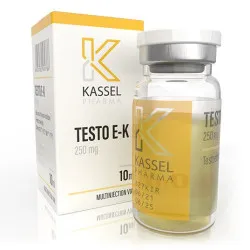
Brand: KASSEL PHARMA
Model: Kassel Pharma
What Is Testo E K 2500 Kassel Pharma USA?Testo E K 2500 Kassel Pharma USA is known in the bodybuilding community
as a product claimed to contain a testosterone enanthate–type compound. It’s
marketed as a long-ester testosterone option aimed at muscle growth, strength
increase, and performance enh..
$66.00
Ex Tax:$66.00
New
-16 %
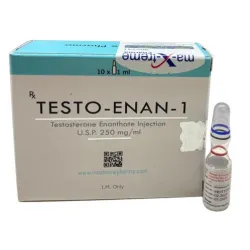
Brand: Maxtreme Pharma
Model: Maxtreme Pharma
Testo-Enan-1 by Maxtreme Pharma is an injectable steroid which contains 250 mg per ML of the hormone Testosterone Enathate.The Enathate ester of Testo-Enan-1 makes its release into slow and therefore is requires injections to be less frequent than they would be if a bodybuilder using Propionate. Ath..
$42.00 $50.00
Ex Tax:$42.00