

Brand: Cygnus
Model: Cygnus
Powerful product for pumping the whole body
Trenbolone Acetate is a strong anabolic steroid that helps athletes achieve superior performance. It is an anabolic drug that is produced in the form of injections that accelerate the set of muscle mass. They put this remedy only twice a week. Most often ..
$60.00
Ex Tax:$60.00
Brand: Cygnus
Model: Cygnus
Trenbolone Hex 100mg - 10ml Trenbolone Hex is one of the strongest injectable
anabolic steroids containing the active ingredient of the same name. The steroid "trenbolone" in its molecular
structural properties is a 19-nor derivative of testosterone, which is almost
four times higher in..
$90.00
Ex Tax:$90.00
Brand: Cygnus
Model: Cygnus
Trenbolone MixTren acetate 100mgTren enanthate 50mgTren hexahydrobenzylcarbonate 50mgIt is a blend of three powerful Trenbolone compounds, thus where the
“MIX” part of the name comes from. This takes the best of the best of
these three compounds and rolls them into one.
Comes in 10 ml multido..
$90.00
Ex Tax:$90.00
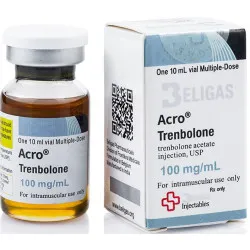
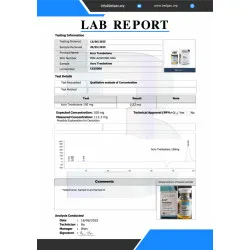
Brand: Beligas Pharmaceuticals
Model: Beligas Pharmaceuticals
Acro-Trenbolone – an injectable anabolic steroid that has gained popularity among the experienced bodybuilders and powerlifters as an effective means to maximize the growth of muscle mass and prepare for the upcoming competitions. Acro-Trenbolone is a powerful anabolic agent from the manufacturer Be..
$54.00
Ex Tax:$54.00

Brand: Beligas Pharmaceuticals USA
Model: Beligas Pharmaceuticals USA
Acro-Trenbolone – an injectable anabolic steroid that has gained popularity among the experienced bodybuilders and powerlifters as an effective means to maximize the growth of muscle mass and prepare for the upcoming competitions. Acro-Trenbolone is a powerful anabolic agent from the manufacturer Be..
$94.00
Ex Tax:$94.00
-18 %
Brand: Alpha Pharma
Model: Alpha Pharma
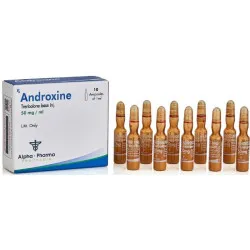
Androxine (Tren Suspension) by Alpha-Pharma active substance is
waterbased Trenbolone Suspension.
The water base is incredibly quick acting. Therefore, bodybuilders selecting to
use this substance usually notice that daily injections square measure best for
keep blood levels as consistent as att..
$46.00 $56.00
Ex Tax:$46.00
Brand: Beligas Pharmaceuticals
Model: Beligas Pharmaceuticals
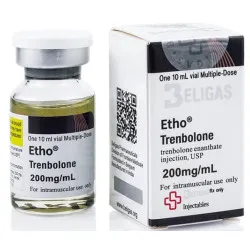
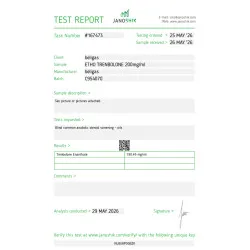
Etho-Trenbolone – injectable steroid that is used mainly in bodybuilding and weightlifting to achieve maximum growth of compacted muscle mass and a significant increase in power capacity. Etho-Trenbolone ester is characterized by a long period of exposure into the body (about six weeks).Etho-Trenbol..
$68.00
Ex Tax:$68.00
Brand: Beligas Pharmaceuticals USA
Model: Beligas Pharmaceuticals USA
Etho-Trenbolone – injectable steroid that is used mainly in bodybuilding and weightlifting to achieve maximum growth of compacted muscle mass and a significant increase in power capacity. Etho-Trenbolone ester is characterized by a long period of exposure into the body (about six weeks).Etho-Trenbol..
$116.00
Ex Tax:$116.00
-27 %
Brand: Evolve Biolabs
Model: Evolve Biolabs
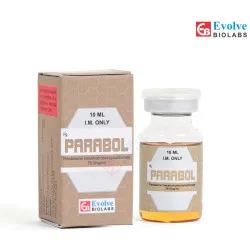
PARABOL
– Trenbolone Hexahydrobenzylcarbonate 76.5 mg/mlPARABOL
contains Trenbolone Hexahydrobenzylcarbonate 76.5 mg/ml, an intramuscular
injectable androgenic–anabolic medication used in highly specific medical
contexts related to hormone-modulating cancer care. It supports therapeutic
goals w..
$48.00 $66.00
Ex Tax:$48.00
-59 %
Brand: SP laboratories
Model: SP laboratories
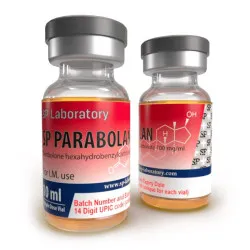
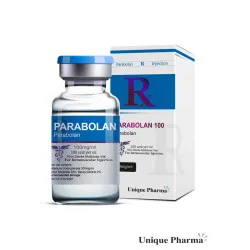
PARABOLAN 100
Parabolan is used to treat weight gain following extensive surgery, chronic infection, or severe trauma.
Description
1 vial contains 10 ml solution for injections;
Active Substances
Each ml of Parabolan contains 100 mg o..
$36.00 $88.00
Ex Tax:$36.00
Brand: Hilma Biocare
Model: Hilma Biocare
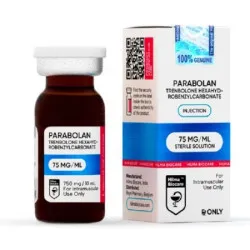
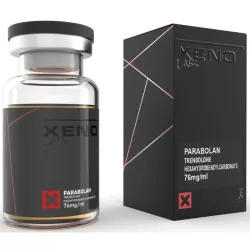
Trenbolone Hexahydrobenzylcarbonate represents the dominant large ester based Trenbolone compound on the market. It was first released by the France based Negma Laboratories in the late 1960’s under the trade name Parabolan. This represents the first and only Trenbolone hormone to ever exist in huma..
$52.00
Ex Tax:$52.00
-24 %
Brand: Alpha Pharma
Model: Alpha Pharma
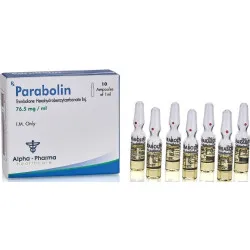
Parabolin (Tren Hex) is indicated in treatment of severe muscular
dystrophy and severe unrelated muscular catabolism as well as acute growth
failure. A derivative of 19-Nortestosterone, Parabolin (Tren Hex) is
non-aromatizing. Many people who use it like that it produces dramatic hardness
a..
$58.00 $76.00
Ex Tax:$58.00
-8 %
Brand: SIXPEX USA
Model: SIXPEX
(17beta-Hydroxyestra-4,9,11-trien-3-one)(Trenbolone Base + Acetate Ester)Formula: C20 H24 O3Molecular Weight: 312.4078Molecular Weight (base): 270.3706Molecular Weight (ester):60.0524The drug Trenbolone is, without a doubt, the most powerful injectable anabolic steroid used by Steroid.com members to..
$74.00 $80.00
Ex Tax:$74.00
-6 %
Brand: SIXPEX USA
Model: SIXPEX
(Trenbolone Base + Enanthate Ester) [17beta-Hydroxyestra-4,9,11-trien-3-one] Formula (base): C18 H22 O2 Formula (ester): C7 H12 O Molecular Weight (base): 270.3706 Molecular Weight (ester): 130.1864 Effects of Trenbolone Enanthate: From looking at the functio..
$88.00 $94.00
Ex Tax:$88.00