

Brand: Balkan Pharmaceuticals
Model: Balkan Pharmaceuticals
Anapolon
General information:
Manufacturer: Balkan Pharmaceuticals
Substance: Oxymetholone
Pack: 20 tabs (50 mg/tab)
Manufacturer:Balkan Pharmaceuticals
This product is human use licensed by law at GMP standards. More details on company website
The active substanc..
$22.00
Ex Tax:$22.00
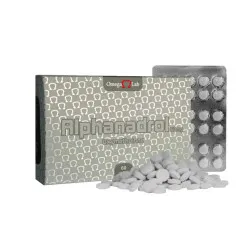
Brand: Cygnus
Model: Cygnus
Oxymetholone Oxymetholone is a derivative of dihydrotestosterone, which gives it a
chemical structure that does not aromatize. Despite the fact that
oxymetholone does not directly convert to estradiol, it itself has
pronounced estrogenic properties.
Each Box contains 50 tablets of 20mg Oxyme..
$30.00
Ex Tax:$30.00

-17 %
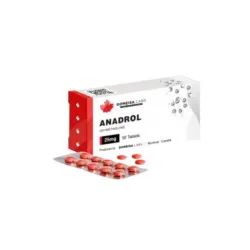
Brand: GOMEISA LABS
Model: Gomeisa Labs
Oxymetholone binds to androgen receptors in muscle and other tissues. This promotes protein synthesis and nitrogen retention, supporting muscle tissue development and recovery.Its strong anabolic activity can also increase red blood cell production and improve oxygen-carrying capacity. Oxymetholone ..
$60.00
Ex Tax:$60.00
-25 %
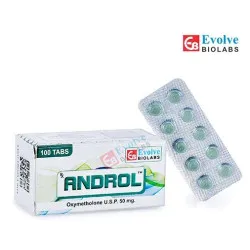
Brand: Evolve Biolabs
Model: Evolve Biolabs
ANDROL –
Oxymetholone 50 mgUnlock
the power of our top-of-the-line Oxymetholone 50 mg tablets, formulated with
premium ingredients for optimal performance. Elevate
your training program with this supplement designed to boost stamina,
endurance, and increased muscle weight. Oxymetholon..
$36.00 $48.00
Ex Tax:$36.00
New
-8 %
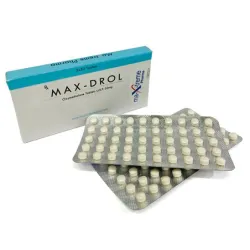
Brand: Maxtreme Pharma
Model: Maxtreme Pharma
Max-Drol is an oral steroid which contains 50mg of the hormone Oxymetholone.Max-Drol (Oxymetholone) is a very good drug for promoting massive gains in both strength and size. This steroid is very anabolic and will promote an increase in red blood cell count and appetite. The steroid was originally d..
$68.00 $74.00
Ex Tax:$68.00
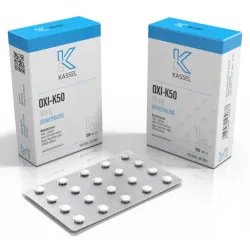
Brand: KASSEL PHARMA
Model: Kassel Pharma
What Is Oxi K50 Kassel Pharma USA?Oxi K50 Kassel Pharma USA is known in the
fitness world as a powerful performance-enhancing product often associated with
rapid strength and size gains. When athletes mention “Oxi,” many assume it
works similarly to strong anabolic compounds like oxymetholone. Be..
$70.00
Ex Tax:$70.00
-11 %
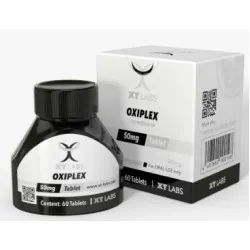
Brand: XT LABS USA
Model: XT LABS USA
Oxymetholone is the strongest and most effective oral steroid available. It was first developed in 1960 as Anadrol 50, and to date no other oral steroid is stronger or more effective. It generates a dramatic increase in muscle mass and strength from the first shots.Oxiplex 50Mg USA by XT LABS box of..
$73.00 $82.00
Ex Tax:$73.00
BUY 3 GET 1 FREE
-23 %
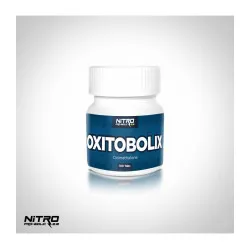
Brand: NITRO
Model: NITRO
OXYMETALONE BY NITRO LABS Oral steroid. Bottle with 100 tablets.
OXYMETALONE 50 is oxymetholone. It is a strong and efficient oral steroid with a highly effective
androgenic effect for increasing muscle mass and strength. For this reason,
strength gains are dramatic, with a significant incre..
$62.00 $80.00
Ex Tax:$62.00
-4 %
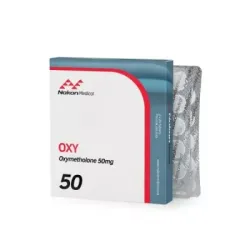
Brand: Xeno Labs
Model: Xeno Labs
It has shown its effectiveness in treating various diseases linked to weight loss. Known since 1960 ’s Oxymetholone has been manufactured as a drug for combating the consequences of anaemia. For bodybuilders and athletes, Oxymetholone is better known for its ability to promote weight gain, strength ..
$38.40 $40.00
Ex Tax:$38.40
-11 %
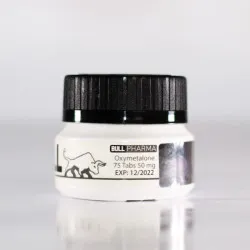
Brand: Bull Pharma
Model: Bull Pharma
Oxybull is an
oral steroid which contains 50 mg of the hormone Oxymetholone. Oxybull is a
very good drug for promoting massive gains in both strength and size. This
steroid is very anabolic and will promote an increase in red blood cell count
and appetite. The steroid was originally designe..
$66.00 $74.00
Ex Tax:$66.00
-24 %
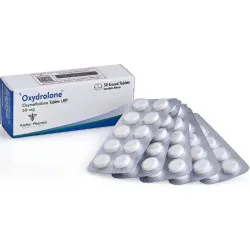
Brand: Alpha Pharma
Model: Alpha Pharma
Oxydrolone (Oxymetholone) by Alpha-Pharma is an oral steroid, its active
substance is Oxymetholone. Oxymetholone is an anabolic steroid. It improves nitrogen balance when
the diet is sufficient in calories. The actions of Oxymetholone are similar to
testosterone and can cause serious impairm..
$52.00 $68.00
Ex Tax:$52.00
-13 %
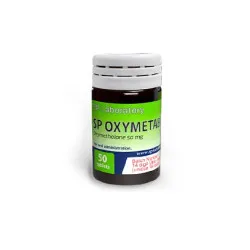
Brand: SP laboratories
Model: SP Laboratories
The anabolic to androgenic ratio of Anapolon is 320:45, which when compared to testosterone (100:100) shows how powerful this steroid is. This steroid works by increasing protein synthesis and has also been shown to increase the number of red blood cells your body produces. This increases the amount..
$42.00 $48.00
Ex Tax:$42.00
-11 %
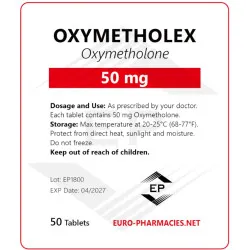
Brand: Euro-Pharmacies
Model: Euro-Pharmacies
Oxymetholex, the active ingredient is Oxymetholone.The effects of the drug:Awesome set of muscle mass.Increased hemoglobin synthesis.Growth of the power indicators.Acceleration of protein synthesis.Eliminating pain in the joints.Possible side effects:Hepatotoxicity (negative effect on the liver at m..
$54.00 $61.00
Ex Tax:$54.00