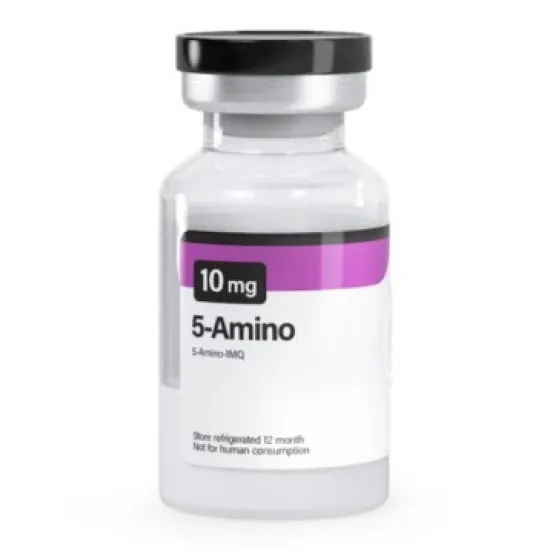
The
5-Amino-1MQ compound, which is small, selective, and can pass through cell
membranes, aims to affect specific cell systems that control fat storage,
muscle growth, and metabolism. Scientists first created 5-Amino-1MQ to study
metabolic pathways linked to obesity and age-related metabolic problems. It
works by blocking the enzyme Nicotinamide N-methyltransferase (NNMT).
You can find this organic compound in many foods
like beans, nuts, avocados, eggs, salmon, and berries. Scientists call it a
non-essential branched-chain amino acid (BCAA). It has an important role in how
our body breaks down fat and manages energy. 5-Amino-1MQ is believed to inhibit
NNMT, which may help regulate fat metabolism in animal studies. Its effects on
human metabolism and fat storage require further investigation through clinical
trials.
The safety and efficacy of 5-Amino-1MQ for weight
loss in humans have not been established. It is important to consult a
healthcare provider before considering the use of this compound.
How Does 5-Amino 1MQ Work?
If you're considering semaglutide alternatives,
options like 5-amino-1mq or other GLP-1 receptor agonists might be effective
for weight management and blood sugar control. 5-Amino-1MQ targets a specific
enzyme called Nicotinamide N-methyltransferase (NNMT). As people gain weight,
their fat cells grow bigger, which leads to more NNMT production. This enzyme
has an impact on fat cell metabolism, making it tougher for cells to burn fat
[5].
5-Amino-1MQ, a small molecule that can pass
through cell membranes, stops too much NNMT from being made. Lowering NNMT
levels helps the body keep burning fat well and stops fat cells from growing
more.
This compound works without having an effect on
other enzymes, which reduces the chance of unwanted reactions. Studies indicate
that 5-Amino-1MQ leads to a decrease in body weight, white fat mass, and fat
cell size while also lowering total cholesterol in the blood. It does all this
without changing how much food is eaten [8]. By blocking NNMT, 5-Amino-1MQ
boosts the levels of NAD+ and S-(5′-adenosyl)-L-methionine (SAM) inside cells,
which stops fat production in fat cells.